
The international swimming community has been deeply concerned following recent updates regarding one of the sport’s most dominant and celebrated contemporary figures. The competitive landscape of elite aquatic sports has experienced a significant moment of tension as news surfaced regarding the health status of an Olympic champion.
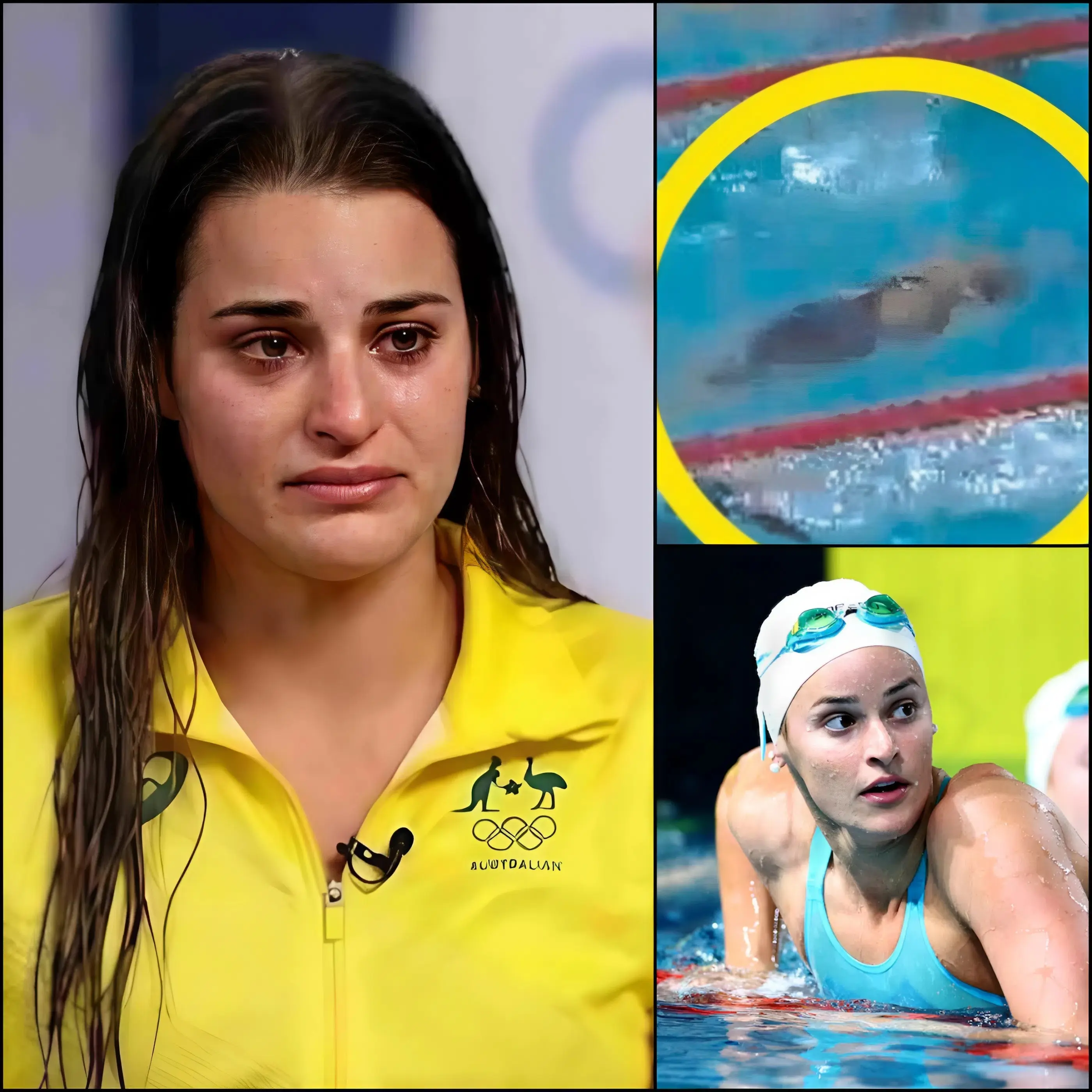
The highly decorated Australian backstroke specialist Kaylee McKeown is currently facing an unexpected personal challenge that has disrupted her planned tournament schedule. This sudden developmental hurdle has generated immense discussion among sports analysts and passionate swimming enthusiasts who closely follow the international circuit.
Speculation regarding whether the elite athlete will be able to overcome her sudden illness to continue competing in the tournament has intensified. Fans worldwide are collectively hoping she can return to the pool soon to bring more athletic glory to Australia.
The precise medical details and the exact extent of her physical suffering are currently unknown to the general public and the media. The athlete’s support team and family have requested privacy as they focus entirely on her immediate health and recovery process.
Maintaining peak physical condition during a major international championship requires an incredibly delicate balance of intense training and perfect health. Even a minor medical setback can have a profound impact on an elite swimmer’s ability to execute complex technical racing strategies.
The national team directors have maintained a highly cautious approach, choosing not to rush any definitive public statements regarding her future entries. Their primary priority remains the long term well being of the swimmer rather than immediate podium success at the event.
The unexpected absence of such a high profile competitor completely reshapes the competitive dynamics of the scheduled backstroke events this week. Rival swimmers from multiple countries must now adjust their tactical preparations to account for this significant shift in the field.
Swimming experts point out that the athlete has historically demonstrated an incredible amount of mental resilience and determination throughout her career. She has successfully overcome major competitive pressures and physical challenges in the past to secure historic world records.
The ongoing situation has highlighted the immense physical and psychological demands placed upon modern professional athletes during a busy calendar year. The pressure to consistently perform at an elite level can sometimes take a heavy toll on the human body.
Corporate sponsors and athletic organizations that officially support the Australian team have expressed their full institutional backing for the champion. They emphasize that health should always take precedence over athletic performance and commercial obligations in professional sports.
As the tournament continues to progress rapidly in the coming days, the medical staff will conduct regular assessments to monitor her recovery. A formal decision regarding her potential participation in the upcoming relay events will be made based on these evaluations.
The global fanbase has flooded social media platforms with hundreds of supportive messages and positive wishes for a speedy recovery. This overwhelming display of public affection underscores her status as a truly beloved role model in international sports.
The coaching staff is working diligently to keep the rest of the national squad focused on their individual race goals amidst the media distraction. Maintaining team morale during an unexpected internal crisis is a critical task for any sports leadership group.
The history of competitive swimming is filled with memorable stories of athletes who made dramatic comebacks after experiencing sudden health issues. The swimming community remains highly optimistic that this situation will ultimately result in another triumphant chapter for her.
The governing body of the sport has ensured that all necessary medical facilities and specialized doctors are readily available to assist the athlete. Having access to top tier healthcare resources is essential for ensuring a safe and complete physical recovery.
Media outlets covering the championship are closely monitoring the official press room for any verified updates from the Australian delegation. Journalists are committed to providing accurate information while fully respecting the personal boundaries of the affected sportswoman.
The long term athletic calendar for the calendar year of twenty twenty six includes several highly prestigious international meets and domestic trials. Ensuring a complete recovery now is vital for protecting her competitive longevity for the remaining major events scheduled.
For the young athletes who look up to her, this situation serves as an important lesson in the reality of professional sports. Learning how to navigate setbacks with grace and patience is just as crucial as celebrating victories on the podium.
The ultimate determination of her tournament future will rely strictly on scientific data and professional medical advice rather than external expectations. The athlete will only return to active competition when she is completely fit to perform safely.
The collective thoughts of the entire sporting world remain with the champion as she focuses on regaining her full physical strength. The swimming public eagerly awaits the moment she can safely step back onto the blocks and represent her nation.
The infrastructure of modern high performance sports programs is specifically designed to manage these types of unexpected medical emergencies efficiently. Specialized physiotherapists and sports psychologists work in harmony to provide a comprehensive support system for the athlete.
Every single training log and physiological metric will be carefully reviewed by the technical staff once she is cleared to resume light activity. This meticulous approach ensures that the transition back to high intensity training does not trigger a relapse.
The historical significance of her current achievements ensures that her legacy in the sport is already firmly secured regardless of temporary tournament outcomes. She has inspired an entire generation of young Australian swimmers to pursue excellence in the backstroke disciplines.
As the countdown to the final swimming sessions begins, the focus of the media will naturally shift back toward the active competitors in the pool. However, the shadow of her absence will undoubtedly remain a major talking point among commentators.
The collaborative effort between the national federation and the medical experts demonstrates a commendable commitment to athlete welfare standards. This unified stance reinforces the progressive values that modern sporting organizations strive to uphold globally.
Ultimately, the story of this specific championship will be remembered not just for the medals won, but for the resilience displayed by the participants. The international community continues to watch closely, hoping for positive news regarding her health journey.