
Professional golf has always thrived on compelling rivalries. From legendary battles between generations of champions to modern competitions between the world’s highest-ranked players, rivalries create narratives that captivate fans and elevate the sport. Recently, discussions among golf followers intensified following rumors of an exchange involving Scottie Scheffler and Rory McIlroy during the intense race for the 2026 Memorial Tournament title. While many details remain speculative, the conversation has once again highlighted the fascinating dynamic between two of the most influential figures in modern golf.

At first glance, Scheffler and McIlroy represent different stages of a champion’s career. Scheffler is widely regarded as the dominant player of his generation, combining consistency, elite ball-striking, and remarkable composure under pressure. McIlroy, meanwhile, remains one of the most accomplished players of the modern era, having spent more than a decade competing at the highest level. Their respective journeys have naturally led fans and analysts to compare their strengths, styles, and long-term legacies.
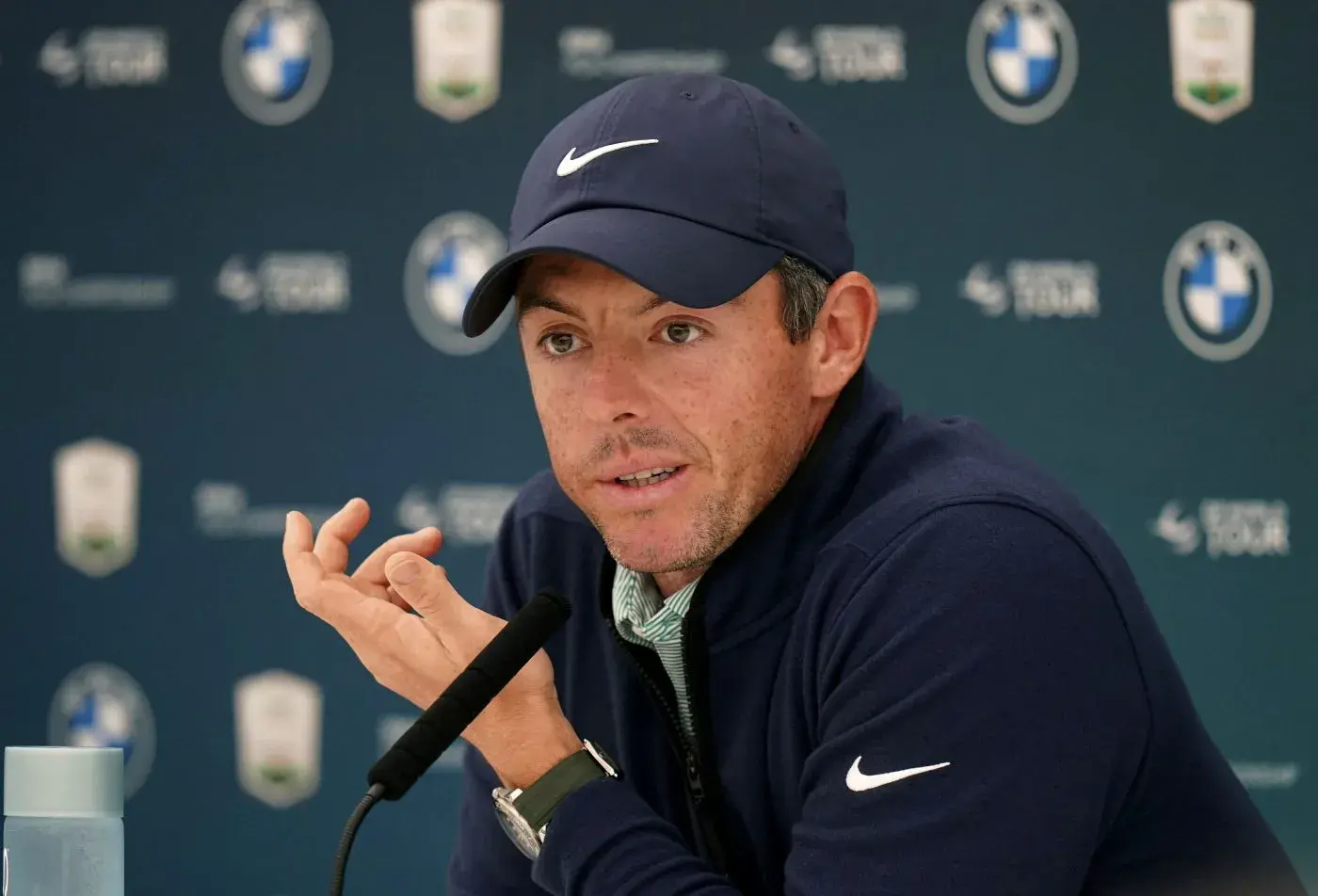
One topic that frequently emerges in such comparisons is age. In virtually every sport, age becomes a talking point whenever established stars compete against younger challengers. Sports scientists acknowledge that physical attributes such as recovery speed, explosive power, and endurance often change over time. However, they also emphasize that experience, course management, and emotional control can offset many physical differences. Golf, perhaps more than any other sport, rewards strategic thinking alongside athletic ability.
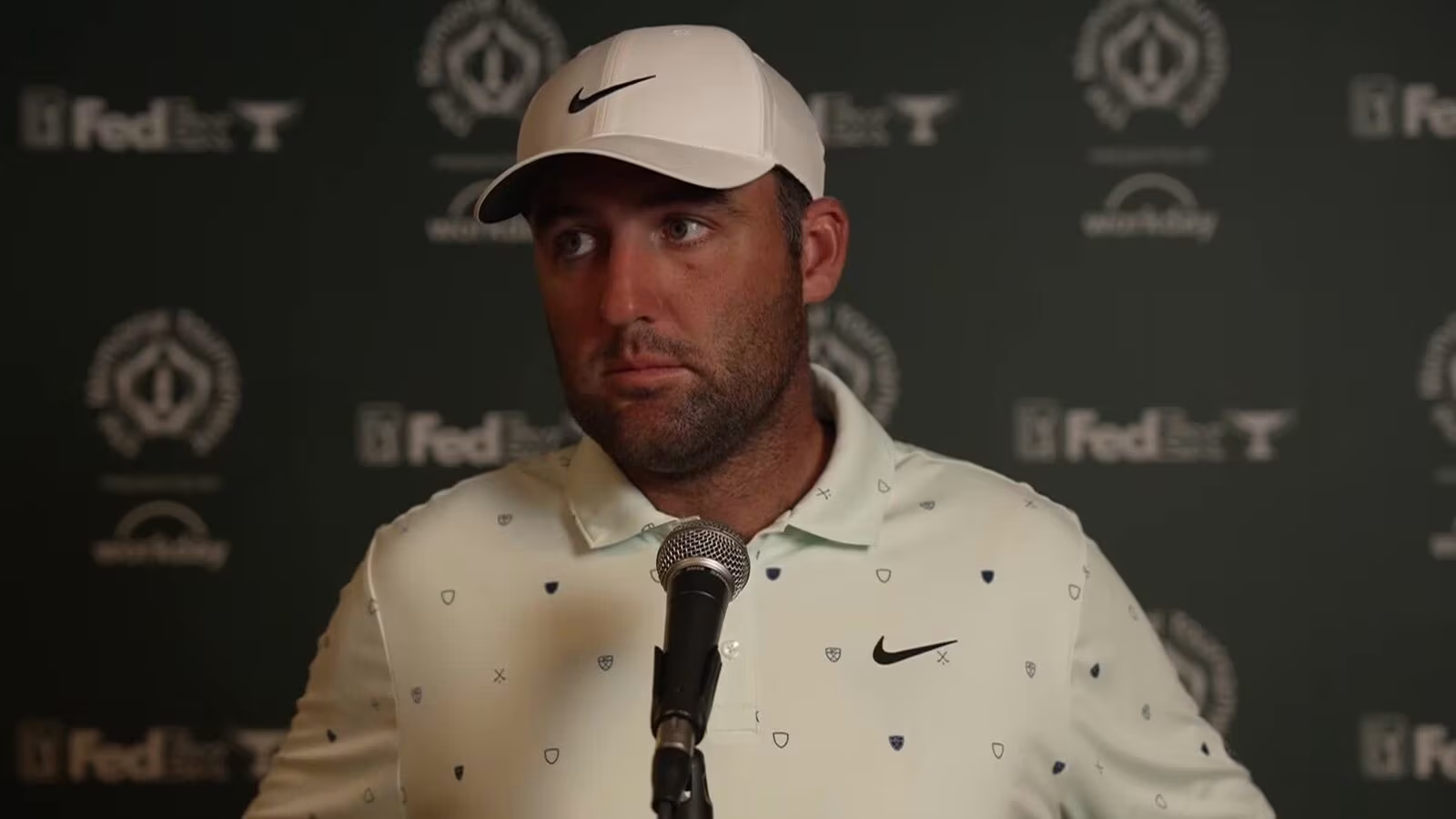
This reality helps explain why players such as McIlroy continue to contend at the highest level despite facing younger competitors. Elite golf is not simply a test of strength or athleticism. Success depends on decision-making, adaptability, and the ability to execute under immense pressure. Experienced players often possess advantages in these areas because they have encountered nearly every competitive situation imaginable throughout their careers. Their understanding of tournament dynamics can become a powerful asset.
Scheffler’s rise to world number one has been driven by extraordinary consistency. Analysts frequently point to his ability to avoid major mistakes while maintaining an exceptionally high standard across all aspects of his game. His ball-striking statistics have often ranked among the best on the PGA Tour, allowing him to create scoring opportunities even on demanding courses. Perhaps more importantly, he has demonstrated remarkable patience, a quality that separates many great champions from merely talented players.
McIlroy’s strengths, however, remain equally impressive. Few golfers in history have possessed a combination of power, rhythm, and natural shot-making ability comparable to his. Even after many years on tour, his driving remains among the most effective weapons in professional golf. Beyond technical skills, McIlroy has developed into one of the sport’s most respected voices, demonstrating leadership and maturity through changing eras of professional golf. These qualities continue to shape his reputation within the game.
From a psychological perspective, rivalries often generate narratives that exceed reality. Fans naturally enjoy comparing champions and searching for symbolic moments that define competition. A rumored comment, a brief exchange, or a post-round interview can quickly become the center of debate. Yet athletes themselves frequently maintain greater mutual respect than public discussions might suggest. Competitors understand the sacrifices required to reach elite levels and often appreciate qualities in rivals that outsiders overlook.
Sports psychologists describe this phenomenon as competitive respect. The closer athletes are in ability, the greater their understanding of what excellence requires. While competitors may desperately want to defeat one another, they also recognize the discipline, resilience, and commitment behind each achievement. This combination of rivalry and respect is often what makes elite sports compelling. Opponents push each other toward higher standards while simultaneously acknowledging each other’s accomplishments.
The broader discussion surrounding Scheffler and McIlroy also reflects the natural transition between generations. Every sport eventually experiences periods when established champions face rising stars eager to define a new era. These moments often produce intense debates among fans. Some focus on the achievements of proven veterans, while others emphasize the momentum and potential of younger athletes. Neither perspective is entirely wrong; both contribute to the evolving story of the sport.
One of the most interesting aspects of golf is that success cannot be reduced to a single characteristic. Physical fitness is important, but so are mental toughness, technical precision, strategic awareness, and emotional stability. A player may excel in one area while another dominates elsewhere. This complexity makes direct comparisons difficult and often fuels passionate discussions among supporters who value different aspects of performance.
The Memorial Tournament has historically provided a stage for such debates because of its demanding nature. The course rewards complete players rather than specialists. Competitors must balance aggression with patience, power with precision, and confidence with discipline. Under these conditions, differences in style become particularly visible. Fans naturally analyze every shot and every decision, searching for clues about which approach is best suited for success.
What often gets lost amid speculation is the remarkable level at which both players continue to perform. Whether discussing Scheffler’s consistency or McIlroy’s longevity, observers are ultimately witnessing two athletes operating near the highest standards professional golf has to offer. Their presence at the top of leaderboards is not accidental. It reflects years of preparation, adaptation, and dedication to continuous improvement.
Ultimately, the fascination surrounding this reported exchange says as much about the audience as it does about the players themselves. Sports fans are drawn to stories of competition because they reflect universal themes: ambition, resilience, confidence, and the pursuit of excellence. Whether one supports Scottie Scheffler or Rory McIlroy, the enduring appeal lies in watching extraordinary athletes challenge each other and elevate the sport. In the end, the most memorable rivalries are rarely defined by sharp words. They are defined by performances that inspire admiration long after the final round has ended.