
“SIT, BARBIE!” – Alexander Zverev’s ice-cold response to Greta Thunberg sparks global applause
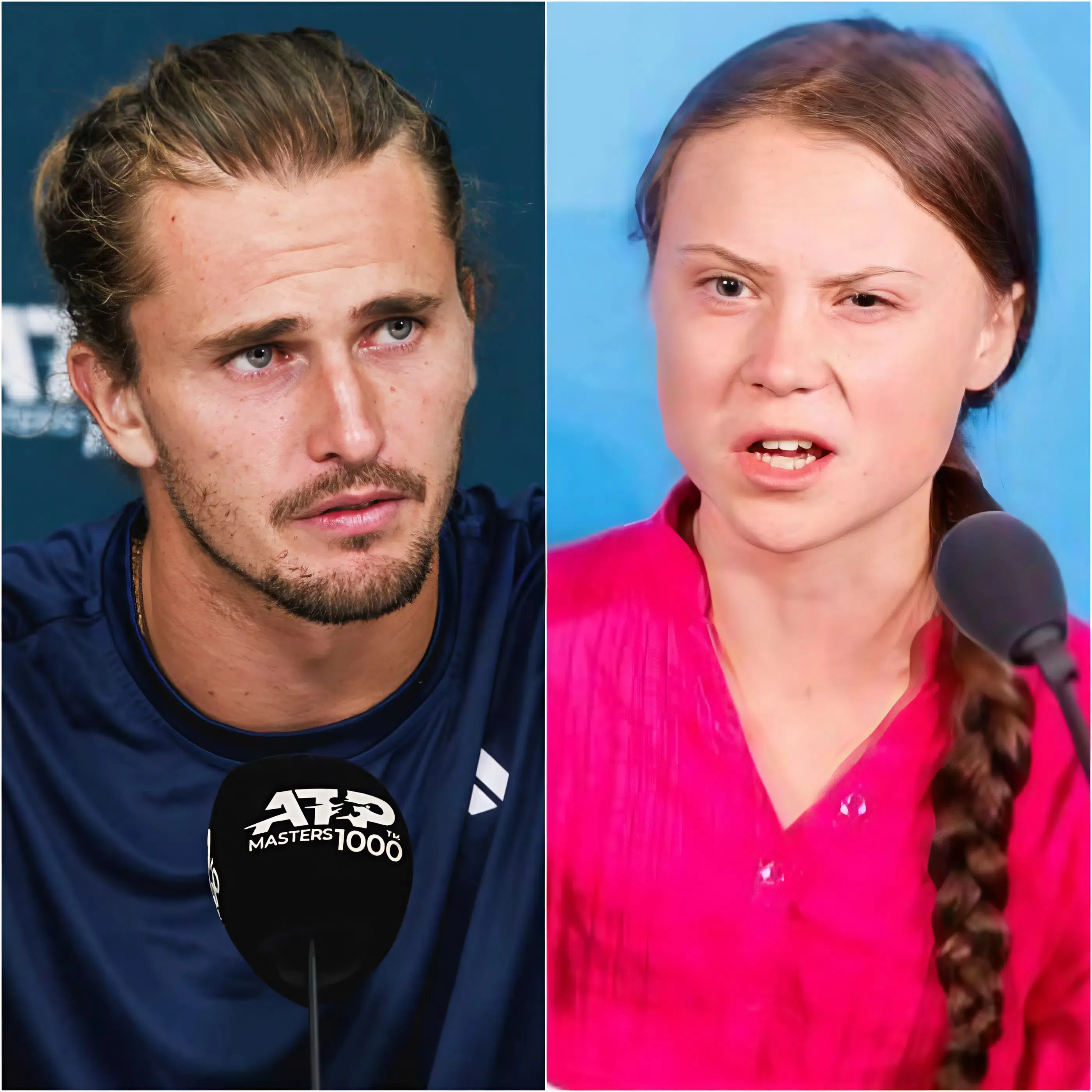
It was one of the most unexpected and most discussed television moments of the young year: During a live broadcast from the ZDF sports studio in Berlin, Alexander Zverev, Germany’s number one tennis star, was suddenly interrupted by the Swedish climate activist Greta Thunberg. Thunberg publicly called him a “traitor” because the 28-year-old refused to support a joint campaign for climate protection and LGBTQ+ inclusion that she was promoting for the 2026 tennis season.
What began as a controversial talk session developed within minutes into a viral media event that redefined the boundaries between sports, politics and personal attitudes.
The show entitled “Sport & Society – Responsibility of Athletes in Times of Crisis” deliberately invited two strong personalities: Zverev, fresh from a strong start to the 2026 season and reigning number 2 in the world, and Thunberg, who has been considered a symbol of the global climate movement for years. Moderator Katrin Müller-Hohenstein moderated an initially factual discussion about the role of athletes in social issues.
Zverev had previously stated in interviews that he preferred to support social projects through his own foundation (the Alexander Zverev Foundation, which supports children in Germany and worldwide) rather than publicly joining political campaigns.
When Thunberg asked him directly why he wasn’t signing the Athletes for Climate & Inclusion initiative, Zverev calmly replied:
“I respect every belief and every struggle. But I decide for myself how I use my time and my platform. I play tennis to bring joy to people and help children – not to make political statements.”
Thunberg reacted visibly irritably. She interrupted him in a loud voice:
“You are a traitor to your generation and the planet! How can you call yourself a role model if you don’t use your reach to save lives?”
The studio froze. Cameras zoomed in on Zverev’s face. The audience held its breath. Many now expected a heated escalation – or that Zverev would apologize.
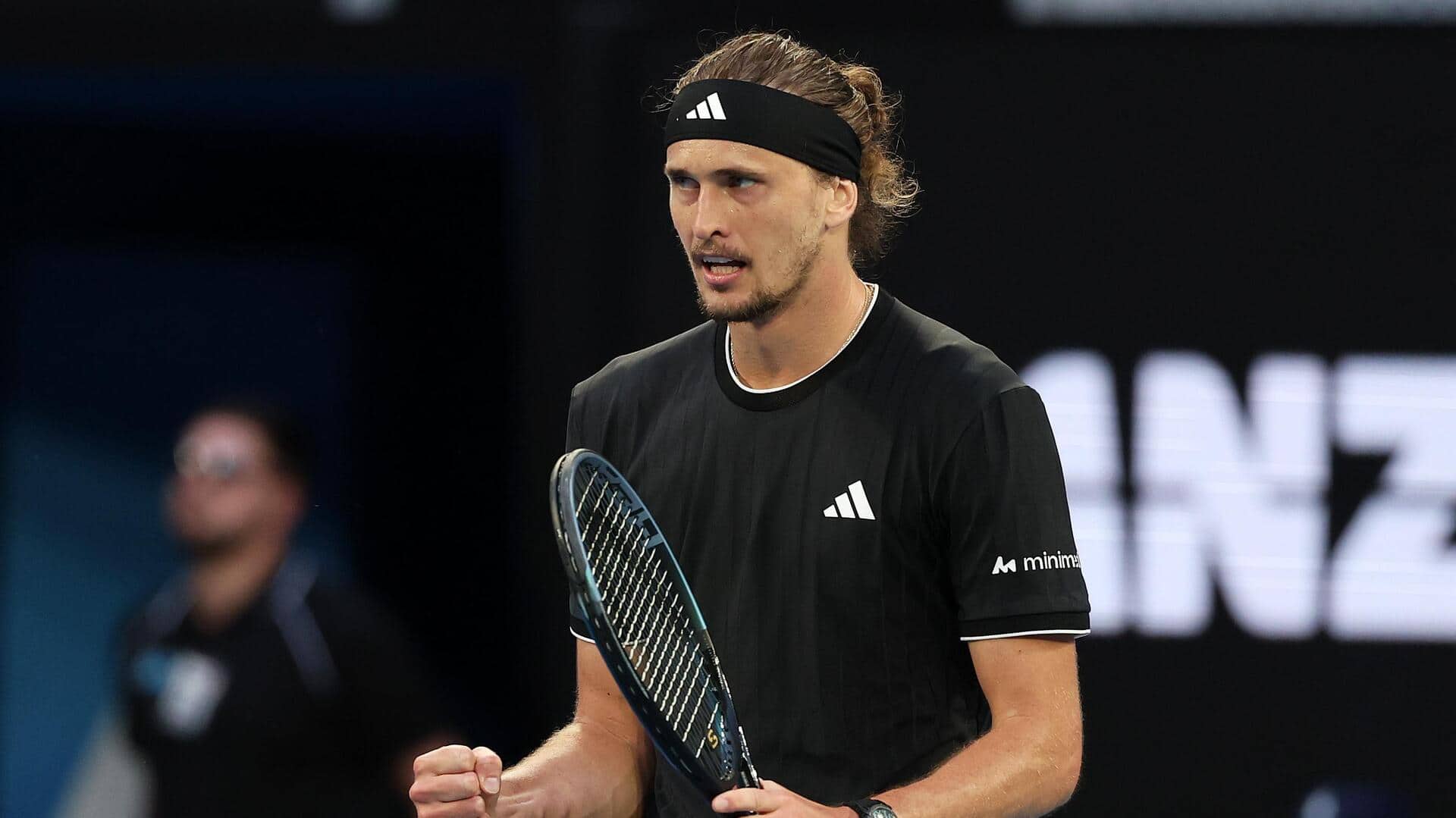
Instead, Zverev leaned forward slightly, looked Thunberg directly in the eyes and said in a calm, clear voice in German (the simultaneous translation was running in parallel):
“Sit down, Barbie. I lead through actions on the court – not through scripts from others.”
Just ten words.
The silence in the studio lasted two seconds. Then cheers erupted. The audience – a mix of tennis fans, journalists and invited guests – jumped to their feet and gave a standing ovation. Not for Thunberg, but for Zverev. The applause lasted almost half a minute. Thunberg visibly sank back into her chair, her hands clenched on the backrest, her face turned pale. She tried to start another sentence, but the presenter gently interrupted to continue the broadcast.
Within minutes, the video went viral. On X (formerly Twitter) #SetzDichBarbie trended to number 1 in Germany, Austria, Switzerland and later worldwide within 30 minutes. Clips have been shared millions of times on TikTok and Instagram. Reactions were divided, but the majority – especially in the sports and tennis communities – celebrated Zverev for his composure.
“Finally someone who won’t be intimidated,” wrote one user. “Ten words that say more than a hundred speeches,” commented another. Even international media outlets like ESPN, BBC Sport and L’Équipe covered the moment, calling it “the coolest clapback of the year.”
Thunberg himself later responded to X: “Silence is complicity. Athletes have a responsibility to be loud. I stand by my words.” But the responses to her post were mostly critical – many accused her of publicly humiliating an athlete instead of having a factual conversation.
Zverev himself only commented two days later, after his opening victory at the Australian Open 2026. In a short interview with SID he said:
“I respect Greta’s passion for the issues that are important to her. But I also respect that everyone has their own path. Tennis is my way of inspiring people – through performance, through fairness, through hard work. Nothing more. And it doesn’t have to be more.”
The sentence underlined exactly what many viewers felt during the show: Zverev had not attacked, had not insulted, had not escalated. He had simply set boundaries – politely but unequivocally.
The incident sparked a broad social debate. The following was discussed in talk shows and panel discussions: Do top athletes have a “platform obligation”? Can activists publicly denounce athletes? Is “Sit down, Barbie” sexist or just a cool saying? Most commentators agreed that the saying was harsh but not offensive – and that Zverev’s calmness remained the strongest argument.
For Zverev himself, the moment meant a surge in popularity. In Germany, the number of his followers on social media shot up by over 400,000 in one week. Merchandise with the slogan “Sit down, Barbie” (as a humorous fan item) sold out immediately. Even politicians from various parties commented – from the Union to the Greens – and praised Zverev’s sovereignty as a model for dealing with public criticism.
Greta Thunberg, on the other hand, faced massive criticism. Many activists distanced themselves from her tone, while others defended her. She herself continued her work undeterred – but the “Barbie moment” will probably be discussed in public for a long time as a symbol of the limits of activism.
Alexander Zverev proved in ten words what many have known for a long time: sometimes silence and composure are the most powerful weapons. And sometimes a single sentence is enough to silence an entire studio – and an entire debate.