
The Olympic stage has always been a place where heartbreak and heroism exist side by side. This week, however, the spotlight shifted from medals and podiums to something far more powerful — a moment of sportsmanship that transcended competition. After a difficult Olympic defeat, Filipino tennis star Alex Eala stunned fans by publicly sending an emotional message of admiration to American figure skating sensation Ilia Malinin. What followed next — a brief, ten-word response from Malinin — left the global sports community breathless.
The Olympics are unforgiving. One moment of hesitation, one miscalculation, one slip — and years of preparation can unravel in seconds. Eala, widely regarded as the Philippines’ brightest tennis prospect, had just experienced that sting herself. Competing under immense national pressure, she fought hard but ultimately fell short of advancing further in the tournament. Cameras captured her composed but visibly emotional walk off the court — a young athlete absorbing the weight of expectation and disappointment.
Yet instead of retreating into silence, Eala chose to speak — not about herself, but about another athlete who had faced his own crushing Olympic setback.
Ilia Malinin, known worldwide for his breathtaking technical ambition on the ice, had entered the Games as one of the most anticipated competitors in figure skating. Expectations were sky-high. But in a sport where perfection is everything, a single flawed landing shifted the momentum of his performance. The routine that many hoped would make history instead became a lesson in vulnerability. The arena fell quiet. Social media erupted. Analysts debated.
But what viewers also saw was Malinin standing tall at the end — no excuses, no visible frustration, only controlled resolve.That quiet resilience did not go unnoticed.In a heartfelt message posted shortly after her own match, Eala wrote:
“Although today wasn’t your day, you showed extraordinary inner strength and resilience. I watched you play and felt your unwavering determination and dedication, regardless of the outcome. It’s not the defeat that defines you, but how you get up after every fall and keep fighting. You are an inspiration to all of us. I believe you will come back stronger than ever and make history again.”
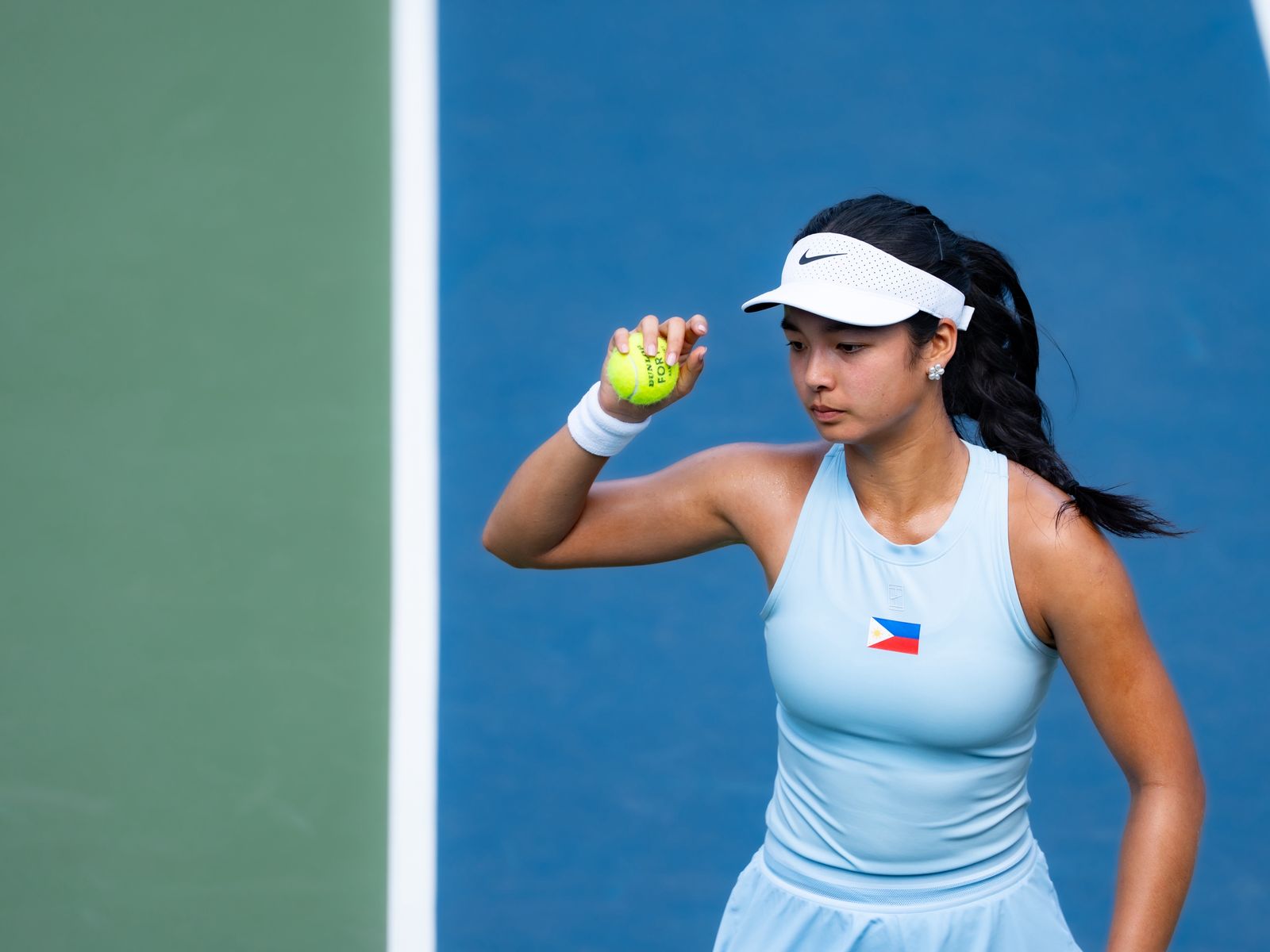
The message spread rapidly across platforms. Fans from Manila to New York praised Eala’s grace. Commentators described it as a reminder of what the Olympic spirit truly represents — respect, empathy, and solidarity among athletes who understand the invisible battles behind every performance.
What made the moment even more extraordinary was that Eala herself had just endured a loss. Instead of centering her own disappointment, she chose to uplift someone else navigating similar emotions. Sports psychologists noted how rare and powerful such gestures are, especially during the emotionally raw aftermath of Olympic competition.
Then came the response.Hours after Eala’s message gained global traction, Malinin replied. No long speech. No dramatic statement. Just ten words that cut through the noise:Your words mean more than any medal ever could.”That was it.Ten words. Simple. Direct. But the impact was seismic.

Within minutes, the exchange was trending worldwide. Analysts called it “the defining Olympic moment that had nothing to do with scores.” Former athletes weighed in, saying that in elite competition, understanding from a peer carries a weight unmatched by applause or trophies.
Malinin’s response reframed the narrative. The Games are often portrayed as binary — gold or failure, triumph or collapse. But his words suggested something deeper: that recognition from someone who understands the grind, the sacrifices, and the vulnerability of public defeat can outweigh hardware.
The story resonated particularly strongly in the Philippines, where Eala has become a symbol of rising tennis ambition. Her maturity in that moment elevated her stature beyond rankings. In the United States, fans of Malinin saw a young star acknowledging emotional support rather than retreating into isolation.
Experts in athlete development pointed out that resilience is not just about bouncing back physically but about building networks of mutual respect. In a high-pressure ecosystem fueled by headlines and instant judgment, moments like this disrupt the usual narrative of rivalry.
There was no competitive overlap between tennis and figure skating. No shared bracket. No strategic alliance. Just one young athlete recognizing another’s humanity.
The exchange also sparked broader conversations about how society defines success. For years, Olympic coverage has emphasized medal counts and national pride. Yet this interaction suggested a parallel metric — character under pressure. The ability to encourage others while hurting yourself. The humility to accept praise in defeat.
Sponsors and sports organizations quickly highlighted the moment as an example of positive sports culture. Youth academies shared the quotes in locker rooms. Coaches used the exchange as a teaching point: greatness is not only measured in points and placements.
What happens next for either athlete remains to be seen. Eala will return to the professional tennis circuit, where development is incremental and every tournament offers another opportunity to climb. Malinin will undoubtedly analyze his routine, refine his programs, and aim for future championships.
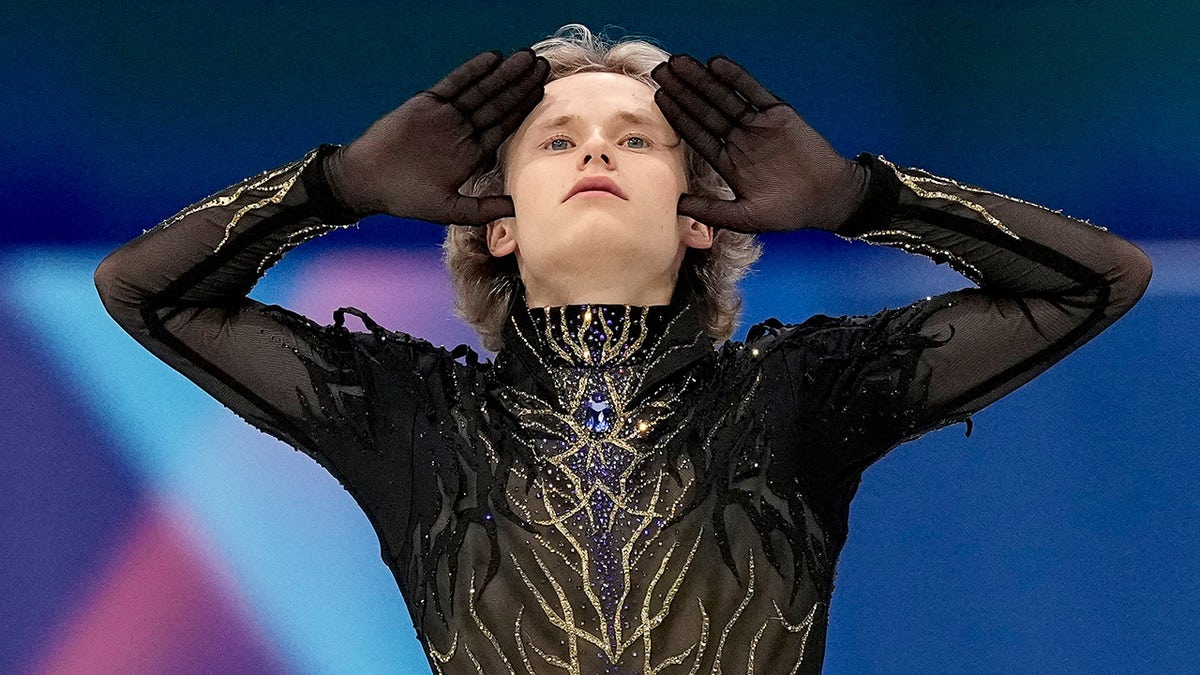
But regardless of their next competitive steps, this moment has already entered Olympic lore.Not because of a record broken.Not because of a flawless routine.
But because in the midst of personal disappointment, one athlete chose admiration over self-pity — and another responded with gratitude rather than guarded pride.
In an era often dominated by controversy, ego clashes, and divisive commentary, the exchange between Alex Eala and Ilia Malinin reminded the world why sports matter. Beneath the pressure, beyond the medals, and past the noise, there remains something enduring: mutual respect among those brave enough to step onto the biggest stage and risk everything.And sometimes, ten words are enough to remind us all.