
At the Stuttgart Open, tension escalated dramatically after Coco Gauff reacted with visible anger following her match, drawing immediate attention from spectators, officials, and fellow players as questions and speculation began spreading rapidly across the professional tennis world that day.
According to on-court observers, Gauff appeared to confront Karolina Muchova near the net, speaking intensely while gesturing toward equipment, prompting umpires to step closer in an effort to calm the situation and understand the nature of the concern raised there.
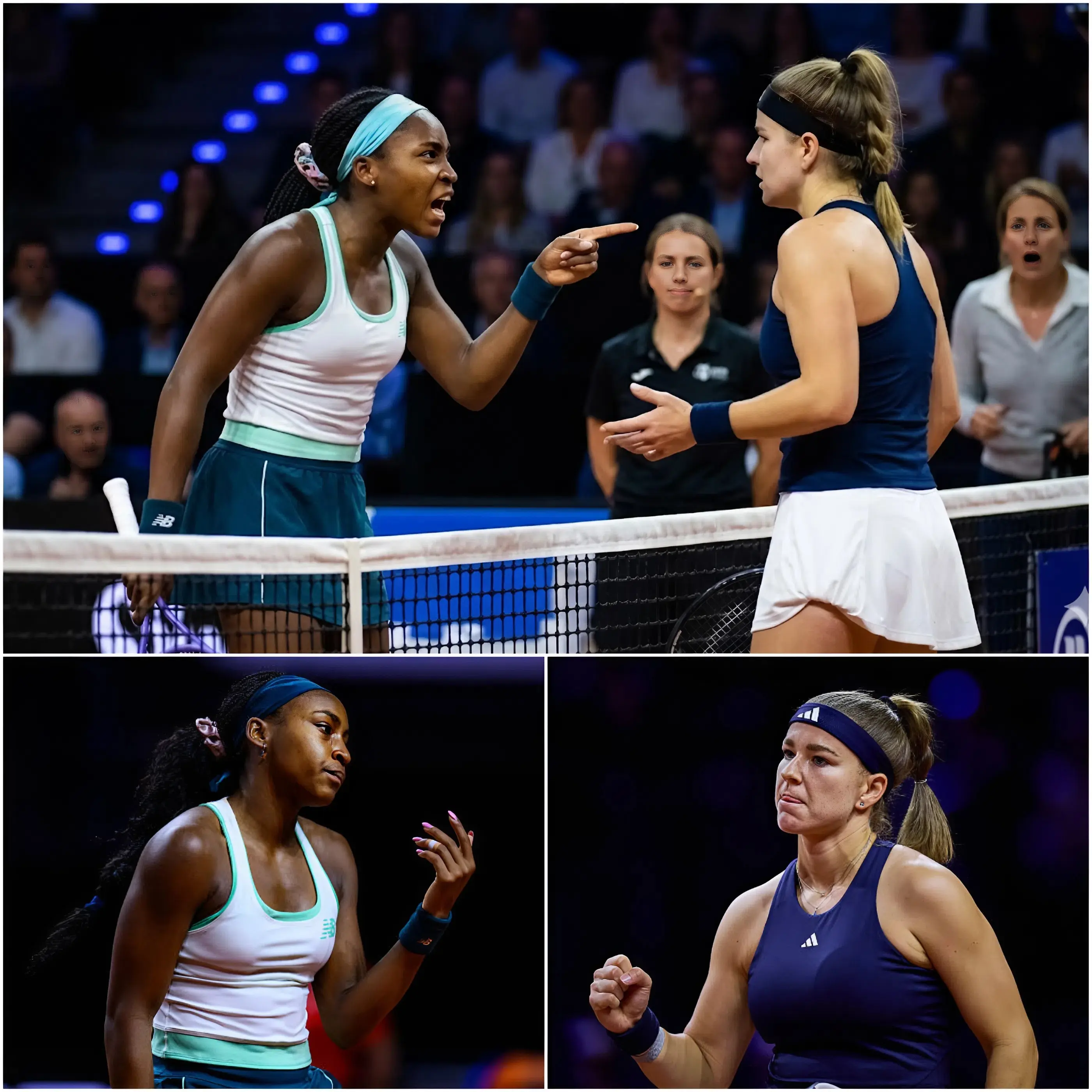
Unverified claims quickly circulated among attendees and online fans suggesting that Muchova might have been using unauthorized technological assistance, although no official confirmation was immediately provided by tournament authorities or governing bodies responsible for enforcing competition regulations and standards globally.
Officials responded swiftly to the tense exchange, separating the players and initiating a precautionary inspection of Muchova’s racket and related equipment, following established protocols designed to ensure fairness, transparency, and adherence to the strict technological guidelines within professional tennis competitions.
Witnesses described the atmosphere as charged and unusually emotional, with both athletes displaying intensity that reflected the high stakes of the match, while officials worked methodically to de-escalate tensions and maintain order on the court amid growing public curiosity nearby.

Muchova remained composed during the inspection process, standing aside as referees examined her equipment, while Gauff spoke briefly with her team, appearing frustrated yet attentive to the proceedings as the situation unfolded under the scrutiny of cameras and audiences watching.
Tournament representatives stated that any claims of rule violations would be carefully reviewed through official procedures, emphasizing that conclusions could only be drawn after a thorough and impartial evaluation of all relevant evidence, including equipment checks and potential technological assessments.
The Women’s Tennis Association has strict regulations regarding equipment and outside assistance, prohibiting any devices that could provide unfair advantages, and updating its rules to address emerging technologies that might influence match outcomes or compromise the integrity of the sport.
Experts note that disputes over equipment are rare but not unprecedented, and when they occur, they often attract significant media attention due to the serious implications for player reputations, competitive fairness, and the credibility of professional tournaments worldwide in general.
Fans reacted on social media platforms, sharing clips, opinions, and theories about the confrontation, with some supporting Gauff’s concerns and others urging caution, highlighting the need for verified information before drawing conclusions about such a sensitive and potentially damaging allegation.
Former players and analysts emphasized the importance of due process, noting that emotional reactions can arise in high-pressure matches, but official judgments must rely on evidence rather than immediate perceptions formed in the heat of competition during intense match moments.

Neither Gauff nor Muchova provided detailed public statements immediately after the incident, leaving media outlets to rely on brief comments and observable events while awaiting formal clarification from tournament organizers or official governing bodies overseeing the competition very soon perhaps.
The inspection process concluded without any immediate announcement of wrongdoing, and officials indicated that further analysis could be conducted if necessary, reinforcing the principle that all players are entitled to a fair and transparent review process before determinations are made.
Observers noted that both athletes eventually left the court separately, with security and staff ensuring that the situation did not escalate further, while discussions continued behind the scenes regarding the appropriate next steps and any potential need for additional investigation.
The incident has sparked broader conversations about the role of technology in modern sports, particularly in tennis, where advancements must be carefully regulated to prevent unfair advantages while still allowing innovation that enhances training, performance analysis, and overall viewer experience.
Some experts argue that clearer communication during such incidents could help reduce speculation, suggesting that timely updates from officials would provide audiences with accurate information and prevent the spread of rumors that can overshadow the actual competition and athletes’ performances.
Others highlight the emotional intensity of elite sports, explaining that players operate under immense pressure and scrutiny, which can sometimes lead to confrontations or misunderstandings that appear dramatic but are later clarified through formal review and communication processes by officials.
As of now, no official ruling has confirmed any violation, and both players remain active competitors on the tour, with upcoming matches expected to proceed as scheduled unless new findings emerge from any ongoing or future investigations regarding this situation.
Media coverage continues to follow the story closely, with journalists seeking statements from both camps and tournament officials, aiming to provide clarity while balancing the responsibility to avoid amplifying unverified accusations that could unfairly impact the reputations of those involved.
Fans remain divided in their reactions, reflecting broader debates about trust, fairness, and accountability in sports, as well as the challenges of interpreting incomplete information in real time during high-profile events that attract global attention and passionate engagement from audiences.
Tennis organizations may use this moment to review existing policies and reinforce guidelines to ensure clarity for players and officials, helping to minimize confusion and maintain confidence in the systems designed to uphold integrity across all levels of professional competition.
For Gauff, the incident represents another intense chapter in her already closely watched career, where expectations remain high and every match draws significant attention from fans and analysts eager to evaluate her performance, decisions, and reactions under pressure in competition.

Muchova, meanwhile, continues to be recognized for her skill and composure, with supporters emphasizing her professionalism and urging observers to wait for verified conclusions before forming judgments based on a moment of conflict captured during a highly competitive match setting.
The broader tennis community is likely to watch closely as more information emerges, recognizing that how such situations are handled can influence public trust, player relations, and the ongoing evolution of rules governing fairness and technology in the sport overall.
Until definitive conclusions are reached, the incident remains a subject of discussion rather than established fact, underscoring the importance of evidence, fairness, and careful judgment in addressing disputes at the highest levels of professional tennis competition around the world today.