
“IF ONLY I COULD TURN BACK TIME…” — Alexandra Eala opens up for the first time about what she calls the biggest wound of her career, a revelation that has deeply moved tennis fans. The Filipino player admits there were decisions that made her want to give up everything—especially while grappling with immense pressure, injuries, and overwhelming expectations. Yet, what truly surprised everyone was Eala revealing a long-held secret—a truth said to have completely altered the course of both her career and her life.
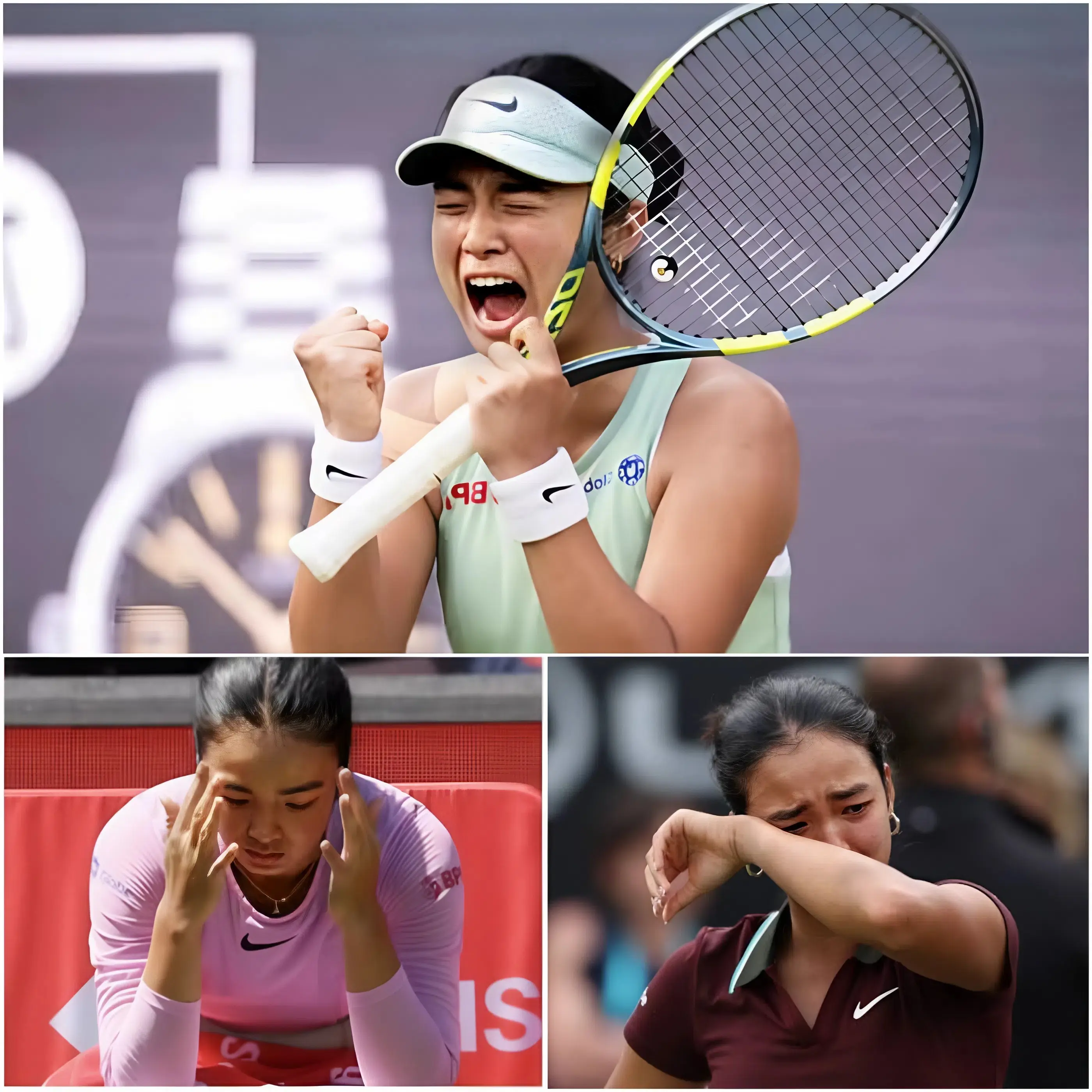
Alexandra Eala has shared a deeply personal reflection on her tennis journey, revealing the emotional challenges she faced during her career. The young Filipino player described moments when the pressure, injuries, and expectations nearly led her to consider giving up. Her openness highlights the human side of professional tennis, where mental and physical demands often intersect. Eala’s willingness to discuss these struggles provides valuable insight into the realities faced by emerging talents in a highly competitive sport.
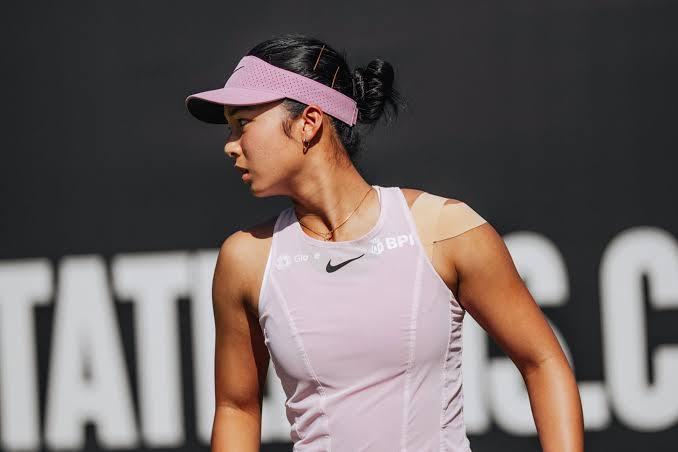
The immense pressure on young players like Eala is a common theme in elite tennis. Expectations from fans, sponsors, and national federations can create significant stress. Eala admitted that certain decisions intensified her doubts, a sentiment many athletes recognize. This vulnerability underscores the importance of mental health support in modern tennis. Her story serves as a reminder that even promising careers involve difficult periods of reflection and growth.
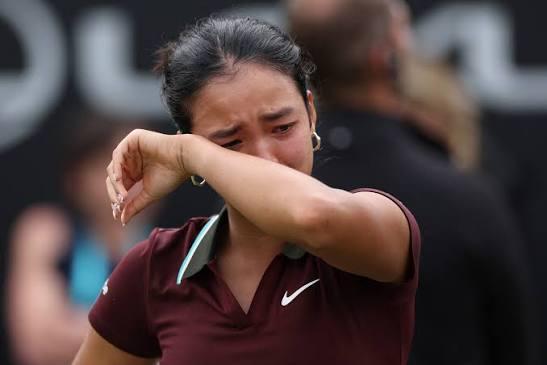
Injuries represent a major obstacle in tennis careers. Eala’s experience with physical setbacks forced her to reassess her approach to training and competition. Rehabilitation requires patience and discipline, qualities she has developed over time. Her revelation about these challenges illustrates how athletes must balance recovery with the drive to return stronger. This process often leads to greater resilience and a deeper appreciation for the sport.
The long-held secret Eala disclosed has reportedly reshaped her perspective on both career and life. While details remain personal, her courage in sharing it has resonated with fans worldwide. This transparency fosters empathy and understanding, showing that athletes are complex individuals with private struggles. Eala’s story encourages open conversations about the unseen aspects of professional sports.
From a psychological viewpoint, Eala’s journey exemplifies the concept of post-traumatic growth. Adversity, including injuries and pressure, can lead to personal development and renewed purpose. Her decision to speak openly reflects emotional maturity. Sports psychologists often highlight how sharing experiences helps athletes process trauma and build stronger support networks.
Eala’s impact on Filipino tennis is significant. As a pioneering talent, she has inspired a new generation of players in her country. Her honesty about difficulties makes her more relatable, encouraging young athletes to persevere. This role model status extends beyond results, emphasizing character and determination as key to long-term success.
The tennis community has responded warmly to Eala’s revelations. Fans appreciate her authenticity, which humanizes the sport. Discussions sparked by her story focus on player welfare, mental health resources, and the pressures of early success. Such dialogue benefits the entire WTA ecosystem by promoting healthier environments for competitors.
Eala’s career trajectory demonstrates remarkable adaptability. Despite setbacks, she has maintained a strong work ethic and positive outlook. Her secret revelation suggests a turning point that strengthened her resolve. This narrative of overcoming challenges adds depth to her public persona and reinforces her status as an inspirational figure.
Technical and tactical aspects of Eala’s game have evolved through her experiences. Injuries forced adjustments in training methods and shot selection. Her ability to adapt highlights intelligence and coachability. These qualities, combined with her mental growth, position her for continued success on the WTA Tour.
The broader implications of Eala’s story touch on issues of representation in tennis. As a Filipino player, she brings diversity to a sport traditionally dominated by certain regions. Her openness about struggles encourages inclusivity and support for athletes from underrepresented backgrounds. This contributes to the global appeal and development of women’s tennis.
Eala’s revelation has sparked meaningful conversations among fans and experts. Many relate to themes of doubt and perseverance. Her courage in sharing personal truths fosters a more empathetic sports culture. This shift toward authenticity benefits athletes by reducing isolation and promoting collective understanding.
Looking forward, Eala’s journey continues to inspire. Her willingness to confront challenges head-on suggests a bright future. As she navigates the demands of professional tennis, her story serves as a testament to resilience and growth. The tennis world watches with interest as she builds on her experiences.
In summary, Alexandra Eala’s candid reflection on her career’s biggest wound reveals the complexities of life as a professional athlete. Her story of pressure, injuries, and personal secrets underscores the human element in tennis. By sharing these insights, Eala not only deepens her connection with fans but also contributes to important discussions about mental health and perseverance in sport. Her path remains an inspiring example of determination and authenticity.