
🚨 In a moment that has quickly drawn attention across the figure skating world, American skater Ilia Malinin has reportedly made an emotional statement about his future, expressing a deep sense of belonging and loyalty to the environment that shaped his competitive journey within Team USA Figure Skating and beyond.
According to the widely circulated remarks, Malinin emphasized that he “grew up here, fought here, and wants to finish his career here with his brothers,” a statement that has been interpreted by fans as both a declaration of commitment and a reflection of the strong emotional bonds formed within elite training environments.
For many in the figure skating community, such words carry significant weight, especially coming from an athlete like Ilia Malinin, who has rapidly risen to prominence through his technical innovation, consistency, and ability to push the boundaries of what is possible in modern men’s figure skating.
Observers note that his reference to “brothers” is likely symbolic of his teammates and training partners, highlighting the close-knit culture often found within national training systems, where athletes spend years together enduring intense discipline, competition, and shared sacrifices on and off the ice.

The emotional tone of the statement has sparked widespread discussion, not only about Malinin’s personal future but also about the evolving identity of Team USA Figure Skating as a developmental system that shapes both athletic performance and long-term personal loyalty among its athletes.
Within elite figure skating circles, it is not uncommon for skaters to express deep attachment to their training bases, coaches, and national programs, as these environments often become central to their identity during formative competitive years and international career development.
Malinin’s rise in the sport has been particularly notable due to his technical breakthroughs and fearless approach to competition, earning him recognition as one of the most exciting young talents in men’s figure skating on the global stage in recent seasons.
Because of this, any statement regarding his long-term future naturally draws attention, as fans and analysts attempt to interpret whether such comments indicate early career planning, emotional reflection, or simply appreciation for his current support system and training environment.
Some analysts suggest that his words may reflect a broader trend among younger athletes who value stability and community within high-pressure sports, where frequent travel, competition stress, and media attention can make personal grounding especially important.
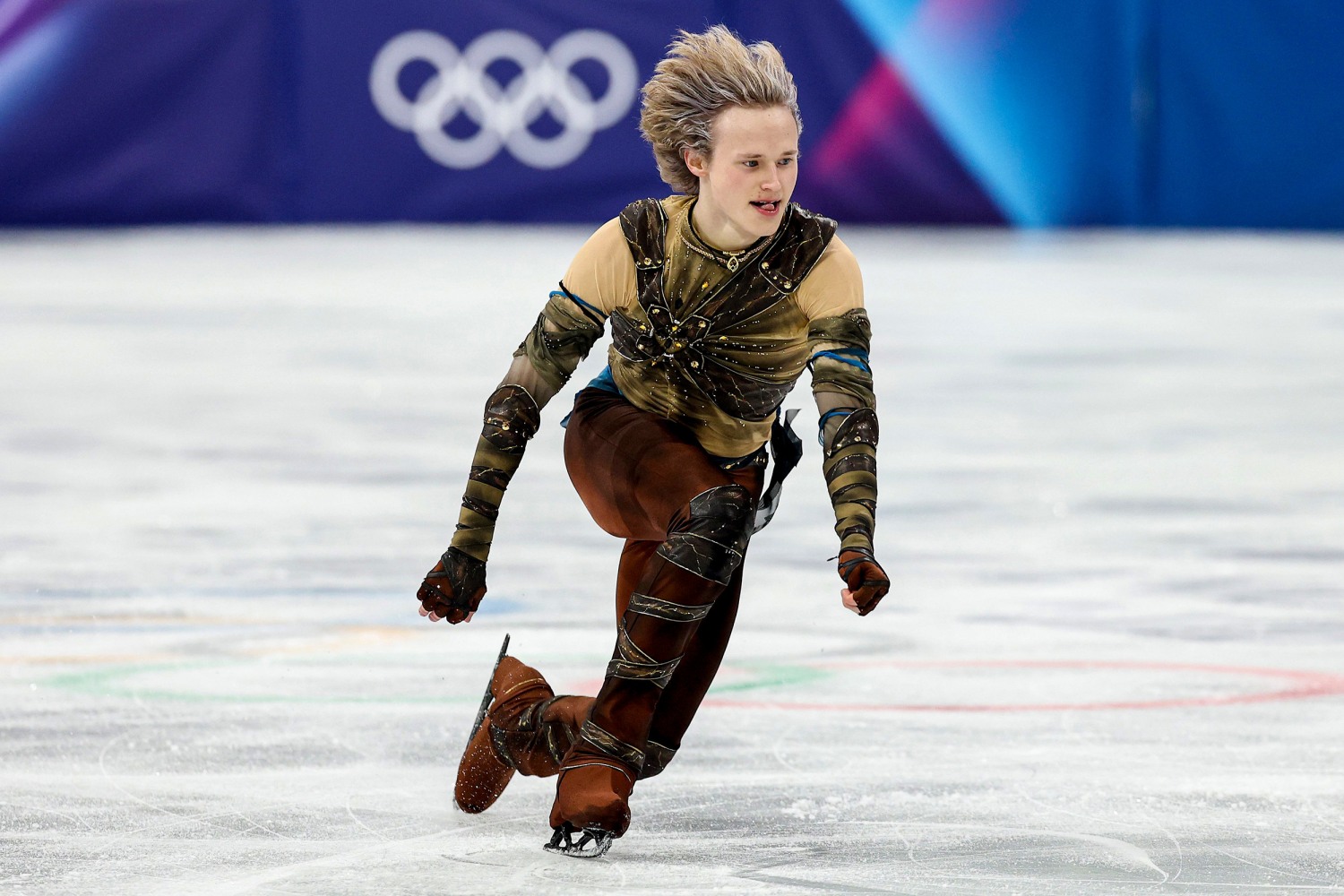
Others believe the statement could be symbolic rather than literal, representing gratitude toward coaches, teammates, and institutions that have supported his growth rather than a strict commitment to remain with a single competitive structure for his entire career.
The organization often associated with his development, Team USA Figure Skating, plays a central role in nurturing elite American talent, providing athletes with access to coaching, international competition opportunities, and long-term developmental pathways within the sport.
In that context, Malinin’s emotional expression can also be viewed as a reflection of the athlete-system relationship, where individual success is often intertwined with national sporting infrastructure and the collective identity built through years of shared training and competition experience.
Fans across social media have responded with a mixture of admiration and curiosity, praising the sense of loyalty implied in his statement while also questioning whether elite athletes in today’s professional landscape can realistically remain with a single system throughout their entire careers.
Figure skating experts emphasize that careers at the highest level are often shaped by evolving goals, coaching changes, injuries, and competitive cycles, making long-term commitments complex even for athletes with strong emotional ties to their training environments.
Despite this, Ilia Malinin has consistently been viewed as a grounded and focused competitor, known for his disciplined approach to training and his willingness to embrace both pressure and expectation as part of his athletic identity.
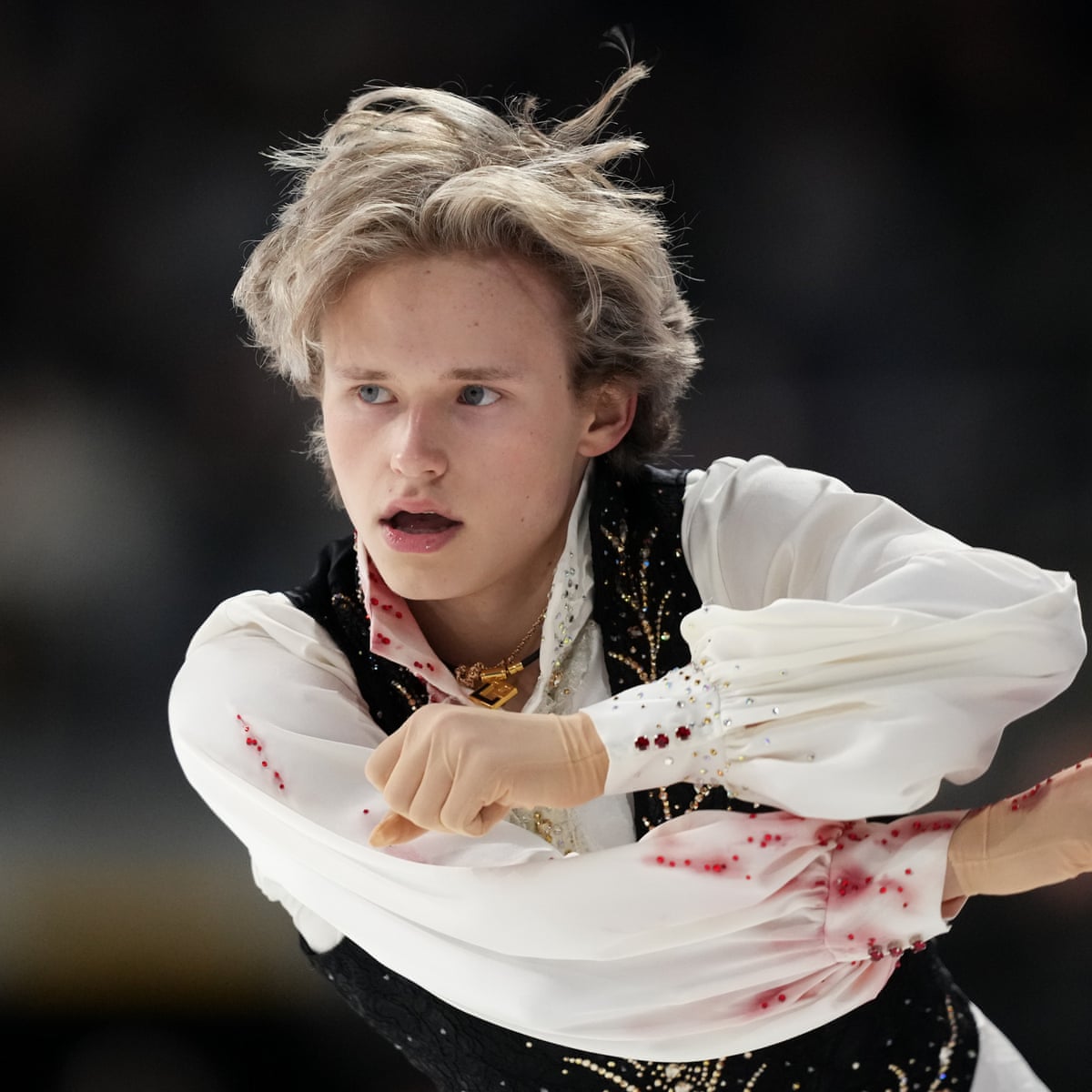
This combination of ambition and emotional expression has contributed to the strong public interest in his career trajectory, with many fans closely following not only his performances but also his personal reflections and statements about the sport.
Some commentators interpret his words as a response to the increasing commercialization and mobility in modern sports, where athletes frequently change training bases, sponsors, or competitive affiliations in pursuit of optimization and performance gains.
In contrast, Malinin’s reported emphasis on loyalty and belonging suggests a different perspective, one that values continuity, shared history, and emotional connection as key components of a successful athletic journey at the elite level.
The phrase “I want to finish my career here” has particularly resonated with fans, as it evokes a sense of long-term vision that is relatively rare among young athletes still early in their professional development and international competition experience.
However, sports analysts caution against over-interpreting emotionally charged statements, noting that athletes often speak in aspirational or symbolic terms that reflect their current mindset rather than definitive career decisions made years in advance.
Within the figure skating community, such statements often spark broader conversations about identity, national representation, and the evolving expectations placed on athletes who compete under high visibility in global championships and Olympic cycles.
The reaction to Malinin’s comments also highlights the growing influence of social media in shaping athlete narratives, where brief statements can quickly become global talking points and generate widespread interpretation beyond their original context.
At present, there is no indication that his statement signals any immediate change in competitive direction, coaching structure, or national affiliation, and it remains best understood as an emotional expression of gratitude and belonging.
Still, the discussion continues to evolve as fans and analysts examine the deeper meaning behind his words, reflecting on what it means for an athlete to define “home” within the highly competitive and international world of figure skating.
Ultimately, the situation surrounding Ilia Malinin underscores a broader truth in elite sport: that behind technical mastery and competitive results lies a complex emotional landscape shaped by relationships, identity, and the environments that athletes call their own.