
McLaren Demands FIA Explanation Over Kimi Antonelli’s Controversial Engine Change Before Monaco Grand Prix
In a dramatic development that has shaken the Formula 1 paddock ahead of the prestigious Monaco Grand Prix, McLaren has officially demanded a full explanation from the FIA regarding Mercedes’ decision to grant Kimi Antonelli a new engine. The controversy erupted just hours before practice sessions, with the young Italian driver receiving a fresh power unit under circumstances that many view as highly suspicious. This move has sparked intense debate across the sport, raising serious questions about fairness, technical regulations, and the integrity of the competition.

The timing of the engine change has fueled particular outrage within the McLaren camp. With the tight and demanding streets of Monaco leaving little room for mechanical error, any advantage in power and reliability can prove decisive. McLaren team principal Zak Brown publicly voiced his concerns, stating that the sudden engine swap for Antonelli appeared to contradict standard procedures and deserved immediate clarification from the governing body. The team believes the decision could have significant implications for the balance of performance during this crucial weekend.
Kimi Antonelli, the highly touted Mercedes rookie, has been under immense pressure since making his debut this season. At just 18 years old, the Italian sensation is widely regarded as one of the brightest prospects in modern Formula 1. However, his car has suffered from reliability issues in recent races, prompting Mercedes to opt for this engine replacement. While the team insists the change was necessary due to detected performance drops, rivals argue that the timing is too convenient, especially ahead of a circuit where qualifying position is often more important than race pace.
The FIA’s regulations regarding power unit changes are strict, with penalties usually applied in the form of grid drops. However, in this case, Mercedes appears to have navigated the rules in a way that has left other teams questioning whether special treatment was given. Technical experts suggest that the new engine could provide Antonelli with a noticeable boost in straight-line speed and overall drivability around the narrow Monaco layout. This has only intensified the scrutiny surrounding the decision.
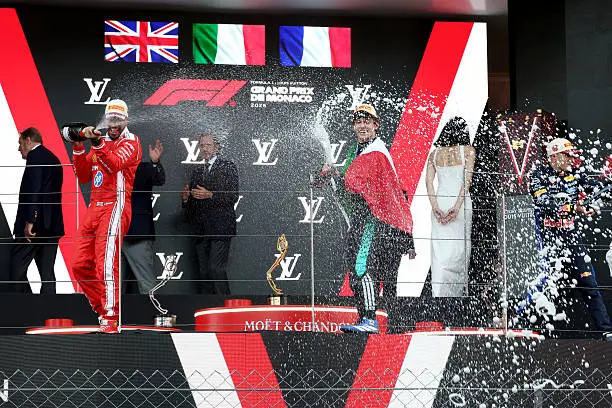
McLaren’s strong protest reflects the growing tension between top teams as the championship battle tightens. Currently fighting at the front of the constructors’ standings, McLaren sees this as more than just a technical matter — it represents a potential threat to the competitive integrity of the sport. Brown emphasized that all teams should operate under the same transparent rules, and any perceived loopholes must be addressed immediately to maintain trust within the paddock.
The Mercedes garage, meanwhile, has remained relatively quiet on the matter. Team boss Toto Wolff defended the decision as purely performance-driven, citing data that showed degradation in the previous unit. Antonelli himself has tried to stay focused on the task ahead, but the surrounding noise has undoubtedly added pressure to an already challenging weekend. Monaco is notoriously difficult for rookies, and the extra attention from this controversy makes his challenge even greater.
This incident highlights the complex relationship between technical innovation, regulatory compliance, and competitive strategy in modern Formula 1. Power units remain one of the most expensive and closely monitored elements of the car, with manufacturers limited in the number they can use per season. Any deviation from standard protocols inevitably raises eyebrows, especially when it involves a driver who is already generating significant hype.
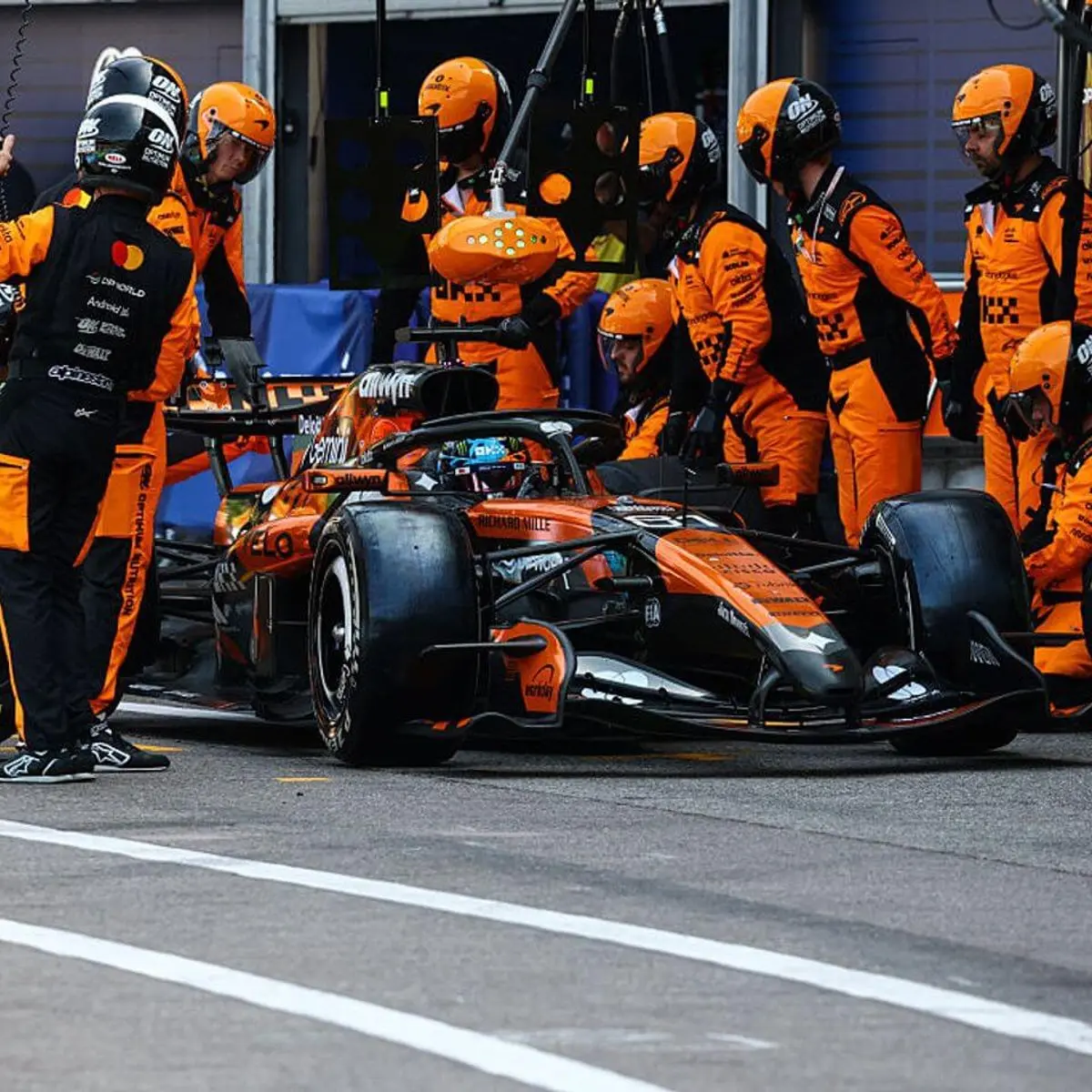
As the Monaco Grand Prix weekend unfolds, all eyes will be on both the track and the stewards’ office. Fans and pundits alike are eagerly awaiting the FIA’s official response to McLaren’s demand. The outcome could set an important precedent for future technical disputes and influence how teams approach reliability management throughout the remainder of the season.
Beyond the immediate sporting implications, this controversy has sparked wider discussions about the future of F1 regulations. With the sport striving for closer competition and cost control, incidents like this test the effectiveness of the current framework. Many believe clearer guidelines and stricter enforcement are needed to prevent similar situations from arising again.
For Kimi Antonelli, the situation represents both an opportunity and a burden. A strong performance in Monaco could silence critics and solidify his reputation as a future star. However, should the controversy linger, it may distract from his focus and affect his confidence on one of the most demanding circuits in the world.
The entire Formula 1 community now waits anxiously for further developments. Whether this engine change proves to be a masterstroke by Mercedes or a controversial flashpoint that overshadows the race remains to be seen. What is certain is that the 2025 season continues to deliver high-stakes drama both on and off the track.