
The television studio was immersed in tense silence when Tadej Pogačar uttered words intended to spark discussion. “Stop, who do you think you are to tell me to stop?” he said firmly, breaking a climate full of expectations.
The episode occurred during an interview dedicated to his absence from the 2025 Tour de France. A choice that had already fueled weeks of speculation, conflicting comments and in-depth analyzes by experts and observers of international cycling.
Some former champions had publicly expressed doubts about his competitive future. According to them, after intense seasons and numerous successes, it would have been understandable to consider an early retirement, preserving health and the results already achieved in his career.
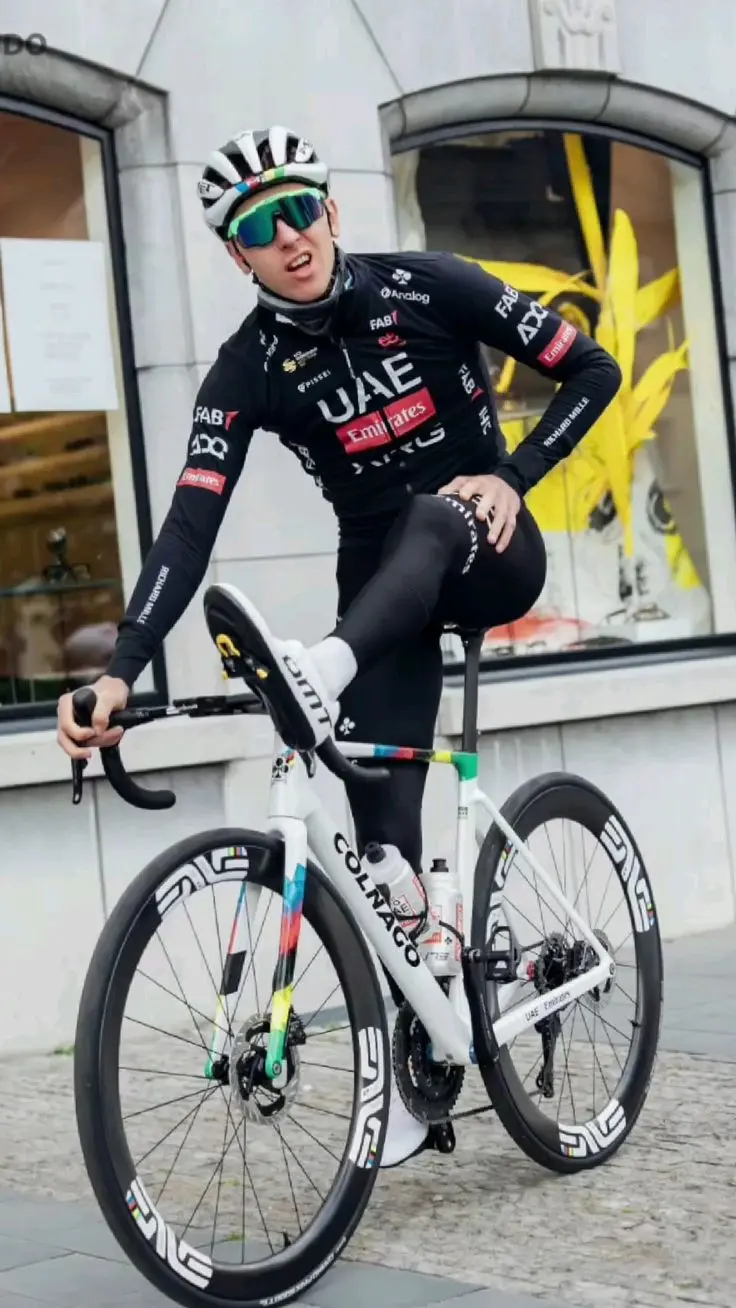
These opinions have found space in numerous sports programs, generating a heated debate. Media pressure grew progressively, transforming his absence from the Tour into a symbol of broader questions about his physical and mental state.
In the studio, the atmosphere was initially composed. The questions, while direct, seemed to maintain a professional tone. However, when asked if he was seriously considering retirement, Pogačar reacted with evident determination.
His response was not an uncontrolled explosion, but a clear affirmation of his autonomy. He reiterated that career decisions are entirely up to him, underlining the respect due to an athlete who has demonstrated consistency and commitment.
The forcefully pronounced sentence immediately captured the attention of those present. Each word was perceived as a declaration of intent, capable of silencing for a few moments the criticisms and hypotheses formulated in the previous weeks.
His absence from the 2025 Tour de France had surprised many. Pogačar was for years one of the undisputed protagonists of the race, and the choice not to participate had generated different interpretations, some prudent, others decidedly more drastic.
Some commentators had linked the decision to a possible decline in motivation. Others had suggested that the commitments accumulated over the years may have affected his programming, making a period of strategic pause necessary.
Meanwhile, some of the public on social media had adopted a critical tone. Severe comments and hasty judgments have contributed to fueling a media frenzy that has placed the athlete at the center of a continuous comparison.
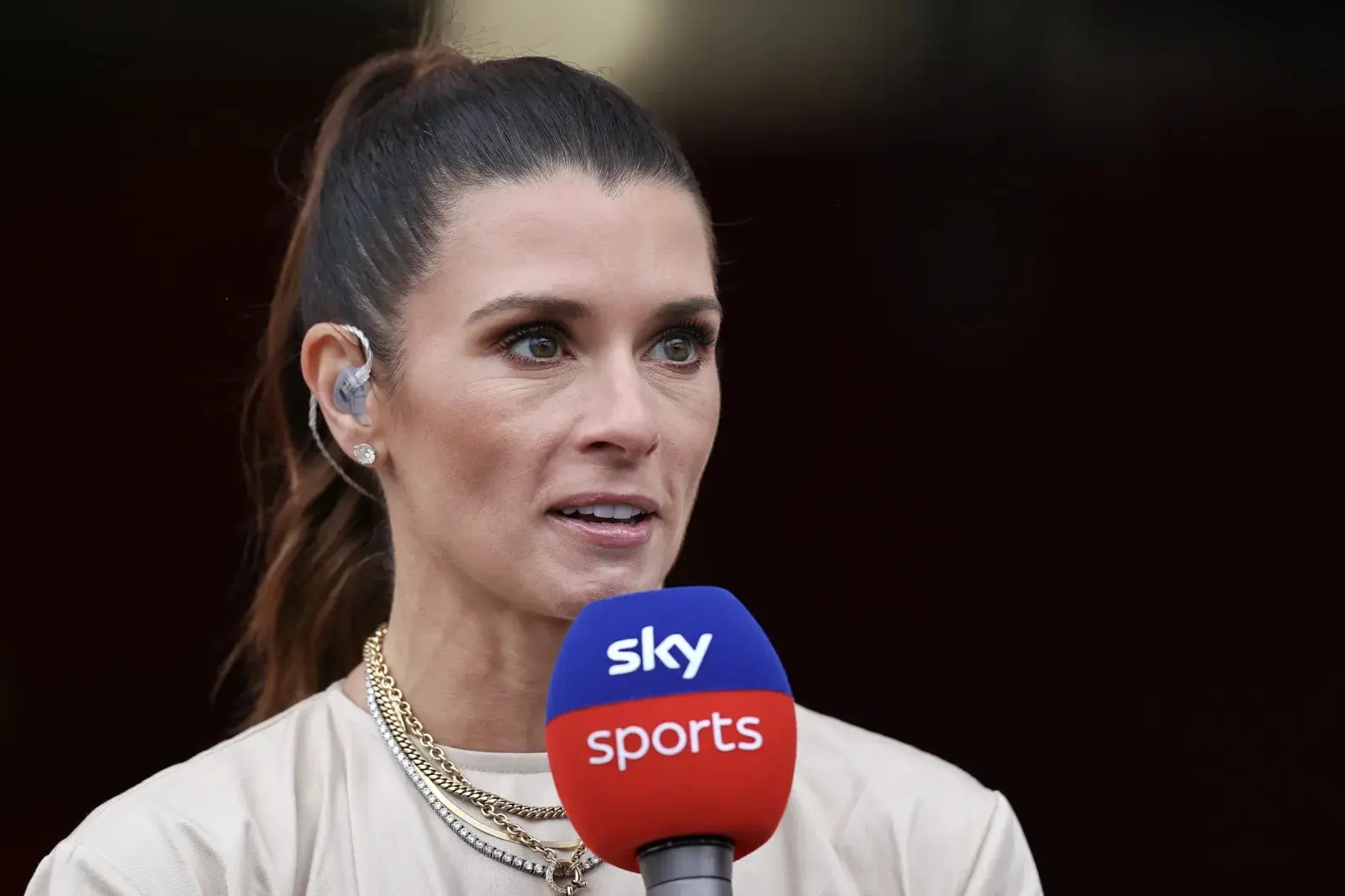
During the interview, Pogačar explained that the choice not to race the Tour was the result of thoughtful evaluations with his team. He talked about long-term planning, different goals and a broad vision for the season.
He recalled how a cyclist’s career cannot be reduced to just one competition, no matter how prestigious. There are strategies, preparation cycles and technical choices that often remain invisible to the general public.
When he lowered the microphone to the table, the gesture was interpreted as a symbolic signal. Not a refusal of dialogue, but a clear desire to decisively close a narrative that he considered unfair and superficial.
Sky Sports, the broadcaster that hosted the interview, released a short note shortly afterwards to clarify the context of the conversation. The objective was to reiterate respect towards the athlete and underline the importance of open discussion.
The official statement helped calm some of the immediate reactions. However, Pogačar’s subsequent words continued to circulate online, becoming the subject of in-depth analysis and interpretation by the media.
In a subsequent passage of the interview, the Slovenian champion took on a more calm tone. He spoke about the constant pressure that accompanies elite athletes and the need to maintain personal balance and motivation.
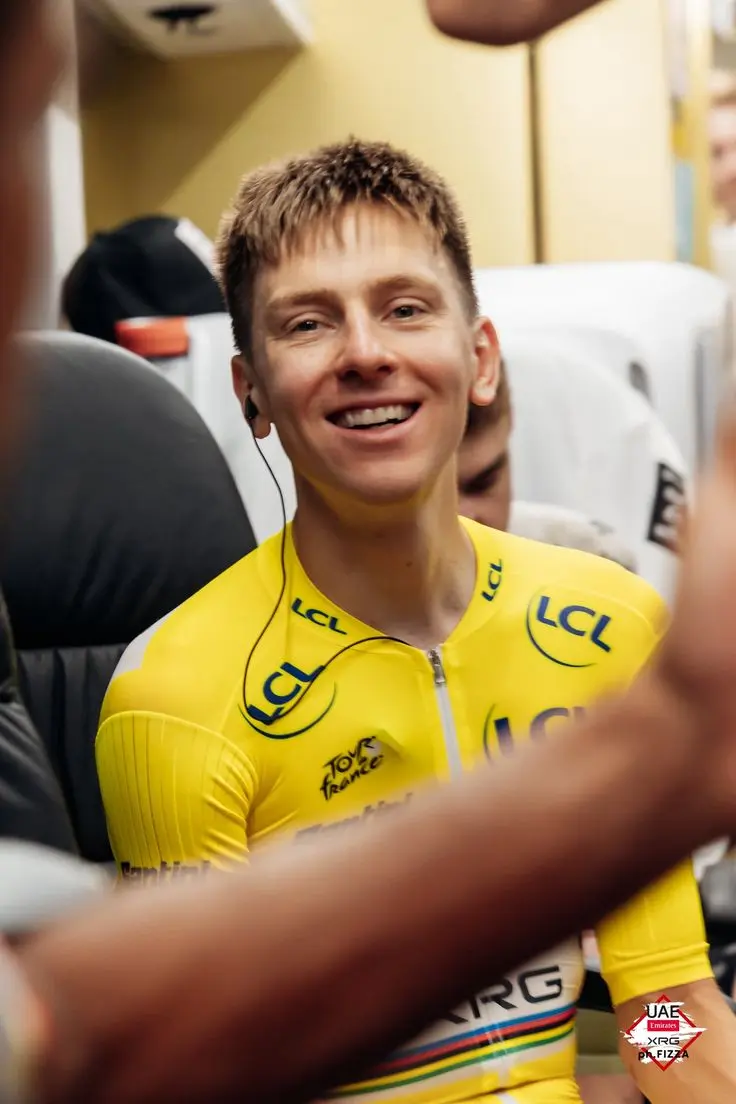
He explained that his career was built on conscious choices, not on other people’s expectations. Each season, according to him, requires adaptations and decisions that take into account physical condition, goals and personal priorities.
Many colleagues expressed solidarity. Some riders have highlighted how the right to freely plan their season is fundamental in a demanding sport like professional cycling, characterized by intense calendars.
Several former champions also called for prudence in judging. They recalled that each generation faces different challenges and that the modern context, between digital media and global expectations, amplifies every decision.
The public reaction was varied. While some continued to express doubts, many others appreciated the clarity with which Pogačar defended his position, interpreting his words as a sign of maturity.
Over the years, Pogačar has shown resilience on numerous occasions. Prestigious victories and complex moments have contributed to forging an athlete capable of facing high pressures with professionalism and constant dedication.
The episode under study highlighted a broader theme: the relationship between the media and athletes. Critical questions are part of public discussion, but there is a fine line between legitimate analysis and excessive pressure.
According to some observers, the story could mark a turning point in the narrative surrounding his career. Not so much for the absence from the Tour, but for the determination shown in defending their choices.
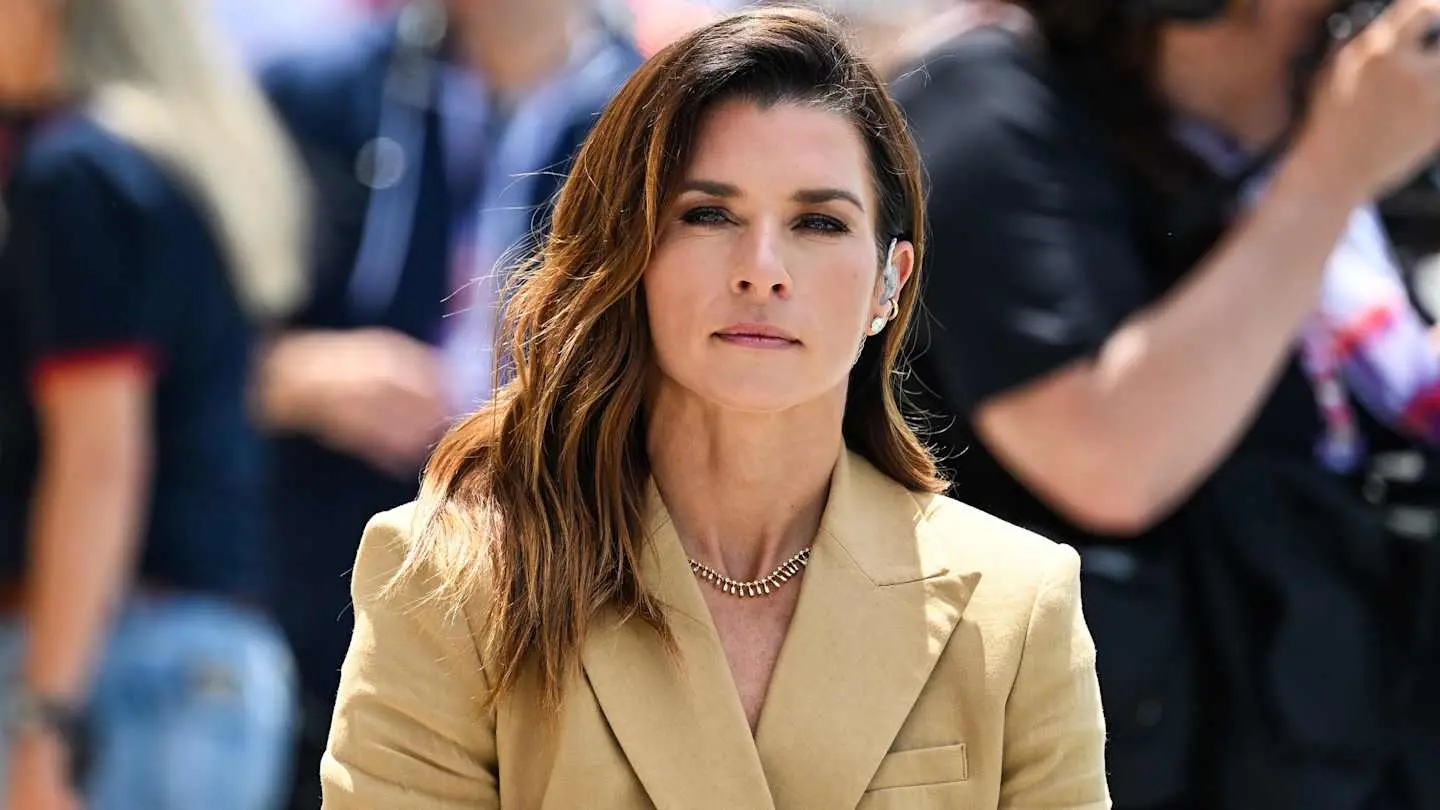
In modern cycling, programming has become increasingly scientific. Teams carefully evaluate workloads, recovery and seasonal goals. Absence from a race does not necessarily imply a reduction in ambitions.
Pogačar concluded the interview by reiterating his love for sport. He said he still feels motivated and has clear goals for the future, but without wanting to reveal specific details about upcoming competitions.
His words invited us to reflect on the nature of public expectations. A champion, despite being a public figure, remains a person with needs, limits and choices that deserve respect and understanding.
As the hours passed, the debate gradually moved from the possible withdrawal to the topic of freedom of decision. Many commenters acknowledged that the initial discussion may have been overly rushed.
Ultimately, Tadej Pogačar’s intervention transformed a pressure situation into a moment of personal affirmation. His words, firm but controlled, invited everyone to reconsider not only his future, but also the way of telling it.